
Tipped Minimum Wage: Whose Burden Is It?
July 1, 2026
Originally published by BizWest, June 29, 2026
 If you’ve read my columns before, you might have noticed a periodic tinge of exasperation. Not the, “Why doesn’t everyone just do as I say,” type of harangue. More like, “I really can’t believe I’m hearing this.”
That’s exactly how I would describe my temperament when I hear talk about the burden that the Sundance Film Festival will impose on our restaurant workers as justification for opposing any reduction in the tipped minimum wage increase. The implication being that our restaurants will be busy during the Sundance Film Festival and our waiters and waitresses will have to deal with a heavy customer load … And that’s a burden?
There are so many things wrong with this argument and, in many ways, it fully captures the flawed nature of advocacy for continuing to raise the tipped minimum wage rate.
First, to characterize tipped work for a busy restaurant as a burden is to miss the point of doing tipped wage work. Quite to the contrary, a busy restaurant — as we hope to experience during the Sundance Film Festival — is a win for everyone, tipped servers particularly. Not to get too rudimentary with you here, but the more customers a restaurant serves, the more tips their waitstaff will likely earn.
Sure, like many physical jobs, it can be exhausting to work a long shift in a busy restaurant. I know it, because I’ve done it. (The Irish Times in Washington, DC was where I plied my restaurant service craft.) I can honor that fact, but providing relief for employees from hard work isn’t the issue we’re addressing when discussing the tipped minimum wage. The question is more about the preference between having a good paying job or not having that job. Put more starkly, raising the tipped minimum wage can often be the final straw on the backs of our restaurant owners before they shut their doors.
We’ve seen this playbook already. Full-service restaurant jobs are declining in Boulder because restaurants are closing due to added workforce cost strains and many of those that survive are trimming waitstaff, amounting to a loss of nearly 100 jobs between 2024 and 2025. That’s what restaurant owners told us would happen with the recent increase in the minimum wage, particularly for tipped workers, and they have been true to their word.
Ask a waiter or waitress how they feel about these circumstances, and they will speak of their concern about losing a treasured job. “Small businesses are struggling,” said one tipped wage worker and former City Council candidate. “I understand the need for these hard topic discussions, to help restaurants stay afloat in these times, to keep jobs available, and to keep our community vibrant.”
You don’t hear that same concern about lost jobs from the self-styled “worker rights” leaders. They talk about the cost of living and the need for every worker to have a chance to maintain a decent standard of living. There won’t be any argument against that principle from the Boulder Chamber, which is why we were the only chamber organization in the state to support the last statewide minimum wage increase.
However, the most direct course to a decent standard of living is a job. Why aren’t worker rights leaders worried about that side of the equation? The cynic in me recognizes that it’s harder to organize the workforce in independent restaurants than it is in chain establishments, like Starbucks. Too cynical? Maybe, but I can’t ignore the incongruence in care about tipped wage rates, while dismissing the concern of workers who are forced onto the unemployment line.
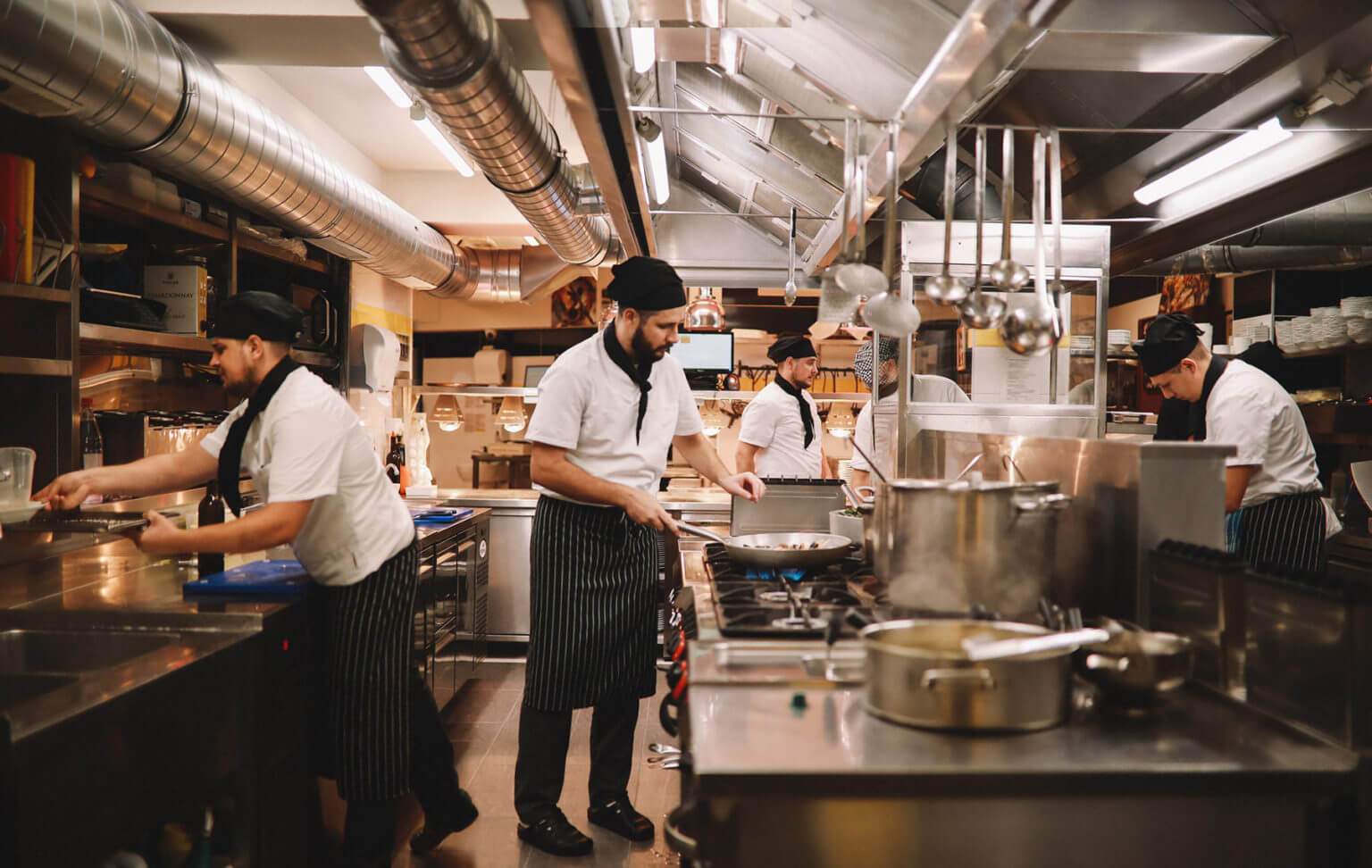
And what about those untipped workers in the back of the house. Cooks, sou-chefs and dish washers work hard, too, yet they typically earn far less than the tipped waitstaff. Ask restaurant owners, which I have, and many of them would love to increase wages for their back of the house team. However, due to rising tipped wage rates, they are forced to spend the margin available for workforce expenses on increasing the salary for their highest paid employees.
So, yes, I find the current argument in favor of a perpetually increasing tipped minimum wage rate exasperating. When the proponents speak of the burden our tipped wage workers bear, I have to ask if they’ve given consideration to the burden their principles impose on the laid-off waiter or waitress, on their hard working back of the house teammates or on the struggling independent restaurant owner.
That might be too big a burden of negative consequences for us to ask them to bear in their zealous advocacy for an increase tipped wage rate. We must remember, though, that every public policy creates burdens. The real question is who ultimately bears them. Is it the server working a busy Sundance weekend or the one whose restaurant closes? Is it the cook whose raise never materializes or the small business owner who loses their livelihood?
Striking the right balance for the good of our community is the burden we ask City Council to shoulder. The restaurant data, the personal testimony of restaurant workers and the heartbreaking stories of independent restaurant closures underline the urgent need to hold the line on a further increase in the tipped minimum wage rate. Anything less would be too much to bear.