
Boulder Chamber Survey: Xcel Outages Cost Businesses Average of $25K

January 15, 2026
By Lucas High, BizWest
December’s power outages in Boulder didn’t just result in a few stubbed toes from folks stumbling around their homes in the dark. Xcel Energy Inc.’s (Nasdaq:XEL) execution of the pre-emptive shutoff in the face of high winds and increased wildfire risk had actual dollars and cents impacts on local businesses, according to a recently conducted Boulder Chamber survey.
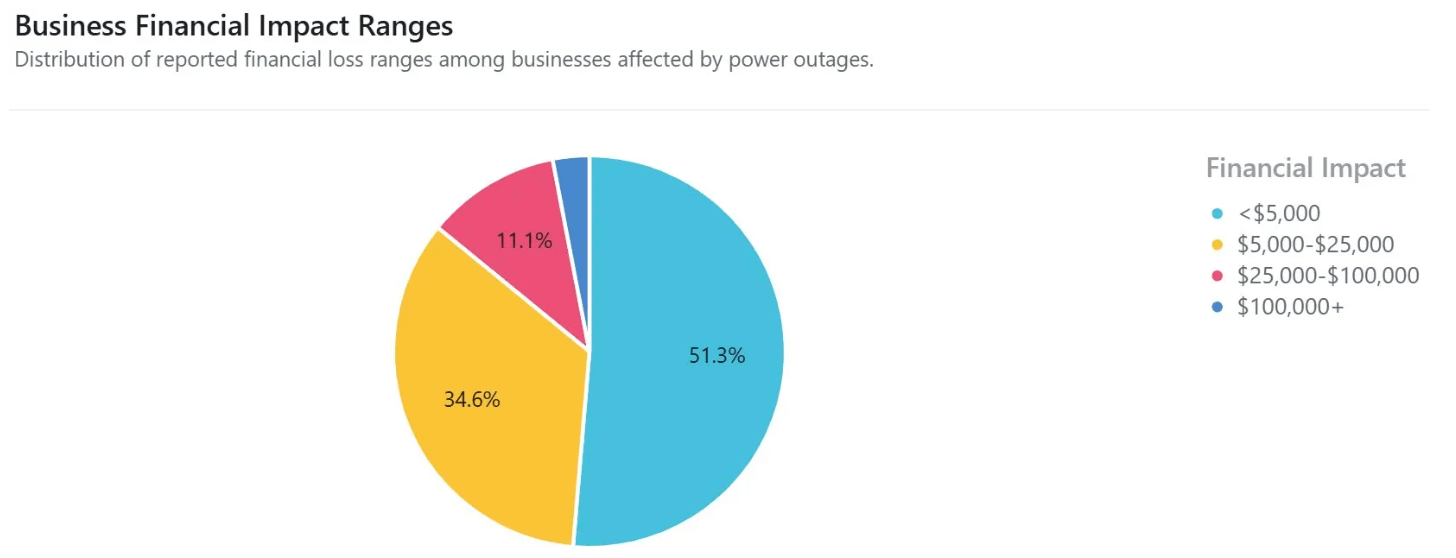
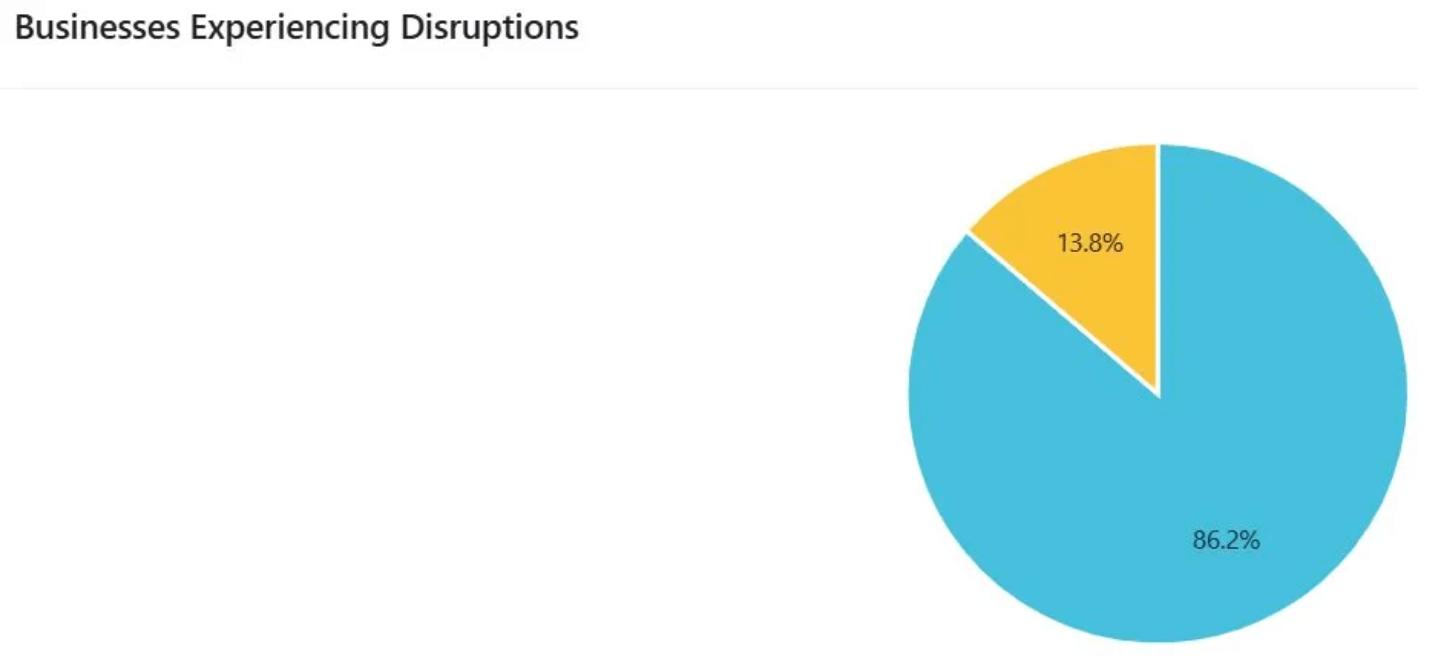
The estimated financial losses for businesses as a result of the outages averaged about $25,000, according to the survey, which had nearly 300 respondents, 86% of whom claimed to have experienced a business interruption. Nine respondents reported $100,000 or more in negative impacts.
Respondents tallied 20,002 workers who were impacted by the outages, nearly half of whom were unable to work during the outage period.
The chamber and business community are hoping that lessons learned from the outage can be used to reduce future impacts, Boulder Chamber CEO John Tayer told BizWest. One area ripe for improvement is the communication pathways between Xcel, city government and businesses.
Compared to past Xcel public safety power shutoffs — known as PSPS, these events occur when the utility decides to preemptively cut electricity service in an effort to mitigate risks posed by weather — “there’s no question that there was improved communication prior to the PSPS as well as during the incident,” Tayer said. “However, there were lapses, and I know that Xcel, and the city acknowledged that. We have identified that clearly there are some gaps that occurred due to efforts on the ground to keep people out of the PSPS area that were not communicated up the chain to the folks who are in charge of the public dissemination of information.”
Beyond the PSP, “there were actual downed power lines due to the wind, and the communication around that didn’t meet the needs of our businesses and residents,” he said.
Nearly nine out of 10 respondents reported a disruption to their businesses related to December’s power outages in Boulder. Source: Boulder Chamber survey.
Business operators and employees would have benefitted from a clearer idea of specifically where the outages would occur and more accurate information about when they could expect power restoration.
Tayer said the chamber and its partners are working with Xcel and Boulder officials to come up with workable solutions around “how we create a really effective two-way communication protocol.”
While the chamber survey shows some dissatisfaction with certain elements of the PSPS execution, business leaders, by and large, were not opposed to Xcel’s decision to prioritize safety and reduced fire risk.
“There was a clear sentiment from the respondents to the survey that it was appropriate to be responsive to the risk,” Tayer said.
“That being said,” he added, “it’s clear from the feedback that our businesses expect our leadership and Xcel to work toward the investments that will help to reduce the incidence of this kind of power outage, recognizing that these wind and dry conditions are something that may be even more prevalent going forward into the future.”
Those longer-term investments, he said, fall into two broad categories: infrastructure improvements that reduce the frequency of future PSPS and tools to help make businesses more resilient when those outages do inevitably occur.
The estimated financial losses for businesses as a result of the recent Boulder power outages averaged about $25,000. Source: Boulder Chamber survey.
Regarding infrastructure, Tayer said, “undergrounding (of power lines) certainly is one that we want to consider. But I’ve also received feedback that that might not be the best investment in many cases. … We have to have the experts work with us to identify what the most efficient effective investments are.”
As far as resiliency tools, that could be anything from access to refrigerated trucks and generators to business continuity insurance programs.
The outage issue is part of a wider discussion about Xcel’s role and responsibilities as the Boulder area’s eclectic utility.
Boulder City Council recently penned a letter to Xcel leadership expressing frustrations about the company’s progress in meeting expectations related to energy efficiency, affordability, reliability and communication. That letter is expected to be approved for submission to Xcel later this month.
“We didn’t directly weigh in on the verbiage of the letter, but there’s no question that we have communicated to the city the input from the business community,” Tayer said.
The elephant in the room of any discussion of Xcel’s response to the threat of wildfires is, of course, the 2021Marshall Fire, which burned 1,084 buildings in densely populated areas in Superior, Louisville and unincorporated Boulder County, took two lives and forced 37,000 people to evacuate.
Last September, Xcel and several other parties agreed to pay a $640 million settlement in a high-profile lawsuit that accused the utility of playing a role in the devastating blaze.
Investigators concluded that an “Xcel wire that had been unmoored from the pole,” likely as a result of high winds, was one of the two causes of the Marshall Fire, Boulder County District Attorney Michael Dougherty said in 2023.
Xcel has disputed those findings and, as part of the 2025 legal settlement, did not admit fault.